Limit Switches in Automated Production Lines
Wiki Article
A limit switch is a fundamental component in industrial and mechanical systems. Despite its simple structure, it plays a vital role in ensuring safe operation, accurate positioning, and reliable control.
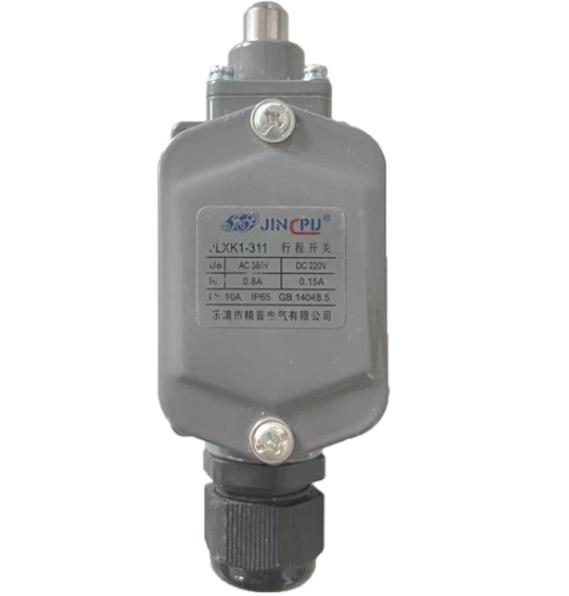
What Is a Limit Switch?
A limit switch is a mechanical position-sensing device that activates when a moving part reaches a predefined point. Once triggered, it opens or closes an electrical circuit, sending a signal to stop, start, or redirect motion.
How It Works
The switch is activated through physical contact between a machine component and an actuator such as a roller, lever, or plunger. This action changes the internal contact state, allowing the control system to respond immediately.
Common Applications
Limit switches are widely used across industries, including:
Industrial automation and assembly lines
CNC machines and machine tools
Elevators and lifting equipment
Conveyors and material handling systems
Robotics and safety interlocks
They are especially valuable in applications where motion limits and safety protection are required.
Advantages
High reliability
Simple installation and maintenance
Cost-effective solution
Resistant to electrical noise
Suitable for harsh environments
Limit Switch vs. Non-Contact Sensors
Unlike proximity or optical sensors, limit switches rely on physical contact. While this may limit use in high-speed or ultra-precision systems, it makes them highly dependable for safety-critical and heavy-duty applications.
Choosing the Right Limit Switch
Key selection factors include:
Actuator type and mounting method
Electrical ratings
Environmental protection (dust, water, temperature)
Mechanical and electrical lifespan
Conclusion
Limit switches remain an essential part of modern machinery. Their durability, simplicity, and reliability make them a trusted choice for motion control and safety, even as automation technology continues to advance.
Report this wiki page